
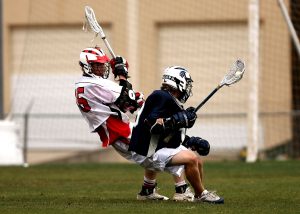
 Every athlete remembers that one piece of equipment that simply felt right.
Maybe it was the cycling helmet that fit so comfortably you barely noticed it during a century ride. Perhaps it was a pair of hiking boots that carried you mile after mile without a single blister, or the pickleball paddle that suddenly made every shot feel more controlled. Whatever it was, quality sports gear has a way of making the experience more enjoyable while helping you perform your best.
The challenge is knowing what to look for. With countless brands, features, and price points available today, choosing the right equipment can feel overwhelming. Fortunately, a few key principles apply to nearly every sport.
The best gear isn’t always the most expensive. It’s the gear that fits your body, matches your skill level, and gives you the confidence to enjoy every adventure.
Cycling: Comfort and Safety Go Hand in Hand
Whether you’re riding neighborhood trails, commuting to work, or tackling rugged mountain terrain, cycling equipment should always begin with safety.
A properly fitted helmet is essential. It should sit level on your head without shifting and fasten securely without feeling restrictive. Modern helmets also feature improved ventilation to keep riders comfortable during long rides.
Comfort becomes equally important when choosing cycling apparel. Moisture-wicking jerseys, padded shorts, breathable gloves, and supportive cycling shoes reduce fatigue and help you stay focused on the road ahead.
Durability also matters. Components that withstand regular use and changing weather conditions provide better long-term value while requiring fewer replacements.
Hiking: Built for Every Trail
Few activities demand more from your equipment than hiking.
Your footwear becomes your foundation, making proper fit one of the most important decisions you’ll make. Hiking shoes or boots should provide excellent traction, ankle support when needed, and enough room for your toes without allowing your feet to slide inside.
Clothing should adapt to changing conditions through lightweight, moisture-wicking fabrics that regulate body temperature. Layering allows hikers to remain comfortable as weather and elevation change throughout the day.
Don’t overlook backpacks, trekking poles, hydration systems, and rain gear. Durable materials and thoughtful design features often make the difference between an enjoyable day outdoors and an uncomfortable one.
Golf: Precision Starts with Proper Equipment
Golf is a game of consistency, and the right equipment can help improve both comfort and confidence.
Golf clubs should complement your height, swing speed, and skill level rather than simply matching what’s popular. Comfortable golf shoes provide traction throughout the swing while reducing fatigue during long rounds.
Quality golf gloves improve grip without sacrificing feel, especially in hot or humid conditions. Lightweight apparel that stretches naturally allows unrestricted movement while helping players stay cool on the course.
Organization matters as well. A durable golf bag with ample storage keeps clubs protected while making every round more enjoyable.
Pickleball: Fast-Paced Fun Requires Responsive Gear
Pickleball continues to grow because it’s accessible, social, and exciting. The right equipment helps players enjoy the game while reducing unnecessary strain.
Paddle selection depends on weight, grip size, and face material. Lightweight paddles often improve maneuverability, while heavier models may generate additional power.
Court shoes deserve just as much attention. Unlike running shoes, court-specific footwear provides the lateral support needed for quick side-to-side movement, helping reduce the risk of ankle injuries.
Quality pickleballs maintain consistent flight characteristics, while comfortable athletic apparel allows unrestricted movement throughout every rally.
Swimming: Performance Begins Before You Enter the Water
Swimming equipment should enhance comfort while reducing drag and improving confidence.
Well-fitted goggles provide a watertight seal without excessive pressure around the eyes. Comfortable swim caps help reduce resistance while protecting hair from chlorine exposure.
Competitive swimmers often prefer streamlined suits designed for performance, while recreational swimmers may prioritize comfort and durability.
Training aids such as kickboards, pull buoys, fins, and snorkels can also help swimmers improve technique while making workouts more effective.
Choosing equipment that fits properly allows athletes to focus on their stroke rather than constantly adjusting uncomfortable gear.
Strength Training: Build Your Foundation
Strength training doesn’t require an entire commercial gym to achieve impressive results.
Adjustable dumbbells offer tremendous versatility while saving both space and money. Resistance bands provide scalable resistance for beginners and experienced athletes alike.
A sturdy workout bench expands exercise variety, while lifting gloves and supportive footwear improve comfort during demanding sessions.
Recovery equipment deserves a place in every training space as well. Foam rollers, massage tools, and stretching accessories help reduce muscle tightness while supporting consistent progress.
The best strength training equipment isn’t necessarily the largest collection of gear. It’s the equipment you’ll use consistently.
What Really Matters When Choosing Sports Equipment
Regardless of the activity, several factors deserve careful consideration before making a purchase.
Proper Fit: Equipment should feel secure without restricting natural movement. Incorrect sizing reduces comfort, limits performance, and may increase injury risk.
Quality Materials: Durable fabrics, reinforced stitching, corrosion-resistant metals, and impact-resistant construction contribute to longer-lasting equipment.
Comfort: If equipment feels uncomfortable during the first few minutes, it probably won’t improve after hours of use. Comfortable athletes stay active longer and enjoy their sport more.
Safety Features: Helmets, protective pads, climbing gear, flotation devices, and other safety equipment should meet recognized standards whenever applicable.
Long-Term Value: The lowest purchase price isn’t always the best investment. Equipment that lasts for years often costs less than repeatedly replacing lower-quality alternatives.
Buyer’s Checklist
Before purchasing your next piece of sports equipment, ask yourself these questions:
- Does it fit properly?
- Is it designed specifically for my sport?
- Are the materials durable enough for regular use?
- Does it provide the comfort I need for longer sessions?
- Does it include the safety features appropriate for my activity?
- Will it support my current skill level while allowing room to improve?
- Is it backed by positive customer reviews and a trusted manufacturer?
- Will I still be happy using it a year from now?
If you can answer “yes” to each of these questions, you’re likely making a smart investment.
The Right Gear Makes Every Adventure Better
Sports equipment should do more than fill your closet or garage. It should help you move with confidence, perform at your best, and enjoy every moment spent pursuing the activities you love.
Whether you’re cycling scenic roads, hiking mountain trails, perfecting your golf swing, diving into the pool, competing on the pickleball court, or building strength in your home gym, the right equipment supports every step of your journey.
Choose wisely, invest in quality, and remember that the best gear is the gear that inspires you to get outside, stay active, and keep coming back for your next adventure.




0 Comments